


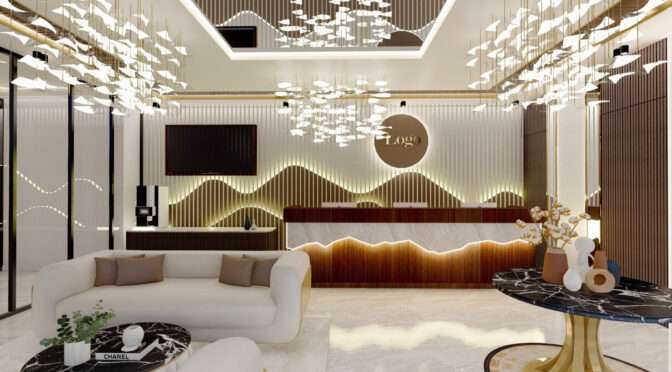
Natural lighting helps blur the boundary between indoor and outdoor spaces, fostering a meaningful connection with nature. This principle sits at the heart of Biophilic Design: Bringing Nature into Modern Interiors, where daylight is used not only to illuminate but to reconnect occupants with natural rhythms, landscapes, and seasonal change. This connection is particularly valuable in urban environments, where access to greenery and open landscapes may be limited.
In a city as dynamic and architecturally diverse as London, designers place particular emphasis on daylight optimisation. For those seeking bright, balanced, and inviting interiors, Interior Design London professionals consistently highlight natural light as a foundational element of successful design rather than an afterthought.

Enhancing Aesthetic Appeal
One of the most significant impacts of natural lighting in interior spaces is its ability to enhance aesthetic appeal. Rooms that receive ample daylight appear more spacious, vibrant, and visually engaging. Natural light reveals the true tones, textures, and finishes of materials, allowing colours to appear richer and more authentic than they might under artificial lighting alone.
Well-considered Lighting Design allows sunlight to move through a space organically, creating subtle shifts in atmosphere from morning to evening. Interior designers carefully consider the orientation of rooms, window placement, and the use of reflective surfaces such as mirrors, polished finishes, and light-toned walls. These elements help bounce light deeper into the space, reducing dark corners and enhancing visual continuity.
Architectural features such as alcoves, feature walls, or bespoke joinery are also elevated when illuminated naturally. By working in harmony with Interior Architecture, daylight becomes a design feature in itself, enhancing form, proportion, and spatial rhythm without overwhelming the interior.
Boosting Mood and Well-Being
Natural light has a profound effect on emotional and physical well-being. Exposure to daylight supports the body’s natural circadian rhythm, helping to regulate sleep patterns, boost energy levels, and improve overall mental health. Sunlight increases serotonin production, which is closely linked to improved mood, reduced stress, and enhanced emotional balance.
Homes and workplaces designed with generous daylight feel more positive and uplifting, contributing to a healthier living and working environment. Designers often recommend large windows, open layouts, and pale interior finishes to allow light to flow freely. A strategic Colour Consultation ensures that wall tones and finishes amplify natural brightness rather than absorb it, creating spaces that feel calm and restorative.
In residential settings, well-lit interiors promote relaxation and comfort, while in offices they foster motivation and engagement. Over time, these benefits contribute to improved quality of life and enhanced day-to-day experiences within the space.
Energy Efficiency and Sustainability
Natural lighting plays a key role in improving energy efficiency and supporting sustainable design principles. By reducing reliance on artificial lighting during daylight hours, energy consumption decreases significantly, leading to lower utility costs and a reduced carbon footprint.
Designers incorporate sustainability-driven strategies such as optimised window placement, glazed partitions, skylights, and light wells to distribute daylight evenly across interiors. Effective Space Planning ensures that frequently used areas, such as living rooms, workspaces, and communal zones, receive priority access to natural light.
Materials also play an important role. Light-reflective finishes, responsibly sourced timber, and energy-efficient glazing work together to enhance brightness while maintaining thermal comfort. Sustainable interiors not only benefit the environment but also align with modern expectations of responsible, future-focused design.
Improving Productivity and Focus
In professional and commercial environments, access to natural light is directly linked to improved productivity and focus. Studies consistently show that people working in well-lit spaces experience less eye strain, greater concentration, and improved overall performance. Natural light reduces fatigue and creates a more engaging atmosphere compared to artificial lighting alone.
Designers carefully analyse window orientation, daylight penetration, and glare control to ensure optimal working conditions throughout the day. Thoughtful Furniture Selections further support productivity by positioning desks, seating, and collaborative zones where daylight is most beneficial, without causing discomfort or visual distraction.
Balanced daylight distribution also contributes to acoustic comfort and spatial clarity, helping workplaces feel organised, calm, and conducive to focused work. These considerations are essential when designing offices that prioritise both efficiency and employee well-being.

Creating a Connection with Nature
Natural lighting helps blur the boundary between indoor and outdoor spaces, fostering a meaningful connection with nature. This connection is particularly valuable in urban environments, where access to greenery and open landscapes may be limited.
Large windows, sliding glass doors, and open-plan layouts allow daylight to frame views of the outdoors, bringing seasonal changes and natural rhythms into daily life. Designers often complement this approach with indoor planting and organic materials, reinforcing the relationship between interior spaces and nature.
Through thoughtful Mood Board Design, designers curate materials, colours, and textures that echo natural elements, ensuring that the visual language of the interior aligns harmoniously with the light entering the space. This holistic approach creates interiors that feel grounded, calming, and emotionally enriching.
Highlighting Architectural Elements
Natural lighting has the unique ability to reveal and enhance architectural details that may otherwise go unnoticed. As sunlight moves across a space, it creates depth, shadow, and contrast, highlighting textures, structural features, and bespoke detailing.
Elements such as exposed beams, textured walls, staircases, and recessed niches benefit immensely from natural illumination. Designers carefully consider how light will interact with these features at different times of day, ensuring that architectural character is celebrated rather than obscured.
By integrating daylight considerations early in the design process, Interior Architecture and lighting work together seamlessly, allowing form and function to complement one another. The result is an interior that feels intentional, dynamic, and visually engaging.
Customizing Light Control
While natural light offers numerous advantages, managing its intensity is essential for comfort and longevity. Excessive sunlight can cause glare, overheating, and fading of furnishings and finishes if not properly controlled.
Designers recommend solutions such as sheer curtains, adjustable blinds, tinted glazing, and UV-protective coatings to regulate light levels throughout the day. These measures allow flexibility, ensuring that interiors remain comfortable regardless of season or time of day.
Effective light control also supports the longevity of materials and finishes, protecting furniture, textiles, and artwork from sun damage. By balancing openness with control, interiors remain both functional and visually refined.
Increasing Property Value
Spaces that benefit from abundant natural light are consistently more attractive to buyers and tenants. Well-lit properties feel larger, more welcoming, and more desirable, often commanding higher market value and stronger long-term appeal.
Thoughtfully designed lighting layouts enhance the overall perception of quality, making interiors feel carefully considered and professionally executed. Buyers increasingly prioritise brightness, sustainability, and comfort, recognising the long-term benefits of naturally illuminated spaces.
Through comprehensive Interior Design London expertise, property owners can maximise the potential of their spaces, creating environments that are not only beautiful but also commercially valuable and future-ready.

Conclusion
Natural lighting is a fundamental element of interior design, offering far-reaching benefits that extend from visual enhancement to well-being, sustainability, and functionality. Whether designing a home, office, or commercial interior, harnessing daylight effectively transforms how a space is experienced and used.
At Oraanj Interior Design, we specialise in creating interiors that celebrate natural light while balancing comfort, performance, and aesthetic integrity. Through considered planning and thoughtful design, we help transform spaces into bright, welcoming, and enduring environments that stand the test of time.

