


Luxury Interior Designers in London
Creating a beautiful home is about more than choosing expensive furniture or materials. It’s about designing a space that feels personal, comfortable and suited to the way you live.
Oraanj is an award-winning luxury interior design studio in London, working on apartments, penthouses, period townhouses and family residences.
Our services include interior architecture, space planning, bespoke furniture, lighting design, material selection, sourcing and complete project delivery.
Whether you’re creating a new home or transforming an existing property, here are some important questions to consider when planning a high-end interior.
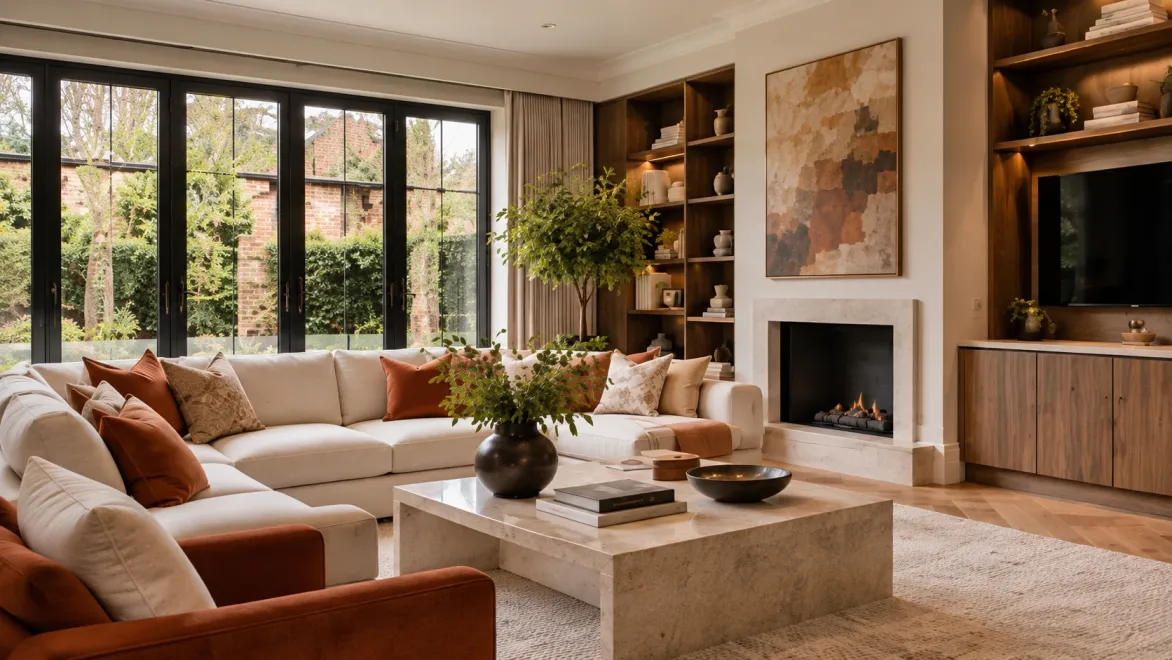

1. I’ve bought a luxury property in London, but I don’t want it to look like every other expensive home. How can I make it feel unique?
Start with your lifestyle rather than a particular interior design trend.
Think about how you entertain, relax, work and spend time with family. Consider the furniture, artwork, objects and materials that have personal meaning to you.
A luxury home should reflect your individual taste while respecting the character of the property.
A designer can develop a personalised scheme using carefully selected materials, bespoke furniture, architectural details and lighting rather than copying a showroom or hotel interior.
2. I want my home to look luxurious but still feel warm and comfortable. How do I achieve that?
Luxury doesn’t have to mean formal, shiny or overly decorated.
Natural materials, comfortable furniture, warm lighting and carefully chosen textures can create an elegant home that still feels welcoming.
The proportions of furniture, the balance of colours and the way rooms connect are often more important than expensive decorative features.
A well-designed home should look beautiful while remaining comfortable for everyday living.
3. I’m renovating a large London townhouse. How can I make every floor feel connected without making all the rooms look the same?
Begin with an overall design direction for the property.
This might include a consistent approach to flooring, doors, lighting, wall finishes and architectural details.
Individual rooms can then have their own character. For example, the formal reception room may feel more elegant, while family spaces can be relaxed and practical.
Thoughtful residential interior design helps create a natural connection between different floors without making every room identical.
4. I love the character of my Georgian or Victorian property, but I want a modern luxury interior. Can both styles work together?
Yes. Period architecture and contemporary interiors can work beautifully together.
Original cornices, fireplaces, ceiling roses, timber floors and traditional proportions can provide an elegant background for modern furniture and lighting.
The key is deciding which architectural features to retain and how new materials will complement them.
If your property is listed, certain alterations may require listed building consent, including interior changes.
Our interior architecture services can help develop the design alongside the relevant heritage and technical specialists.
Canary Wharf Luxury Penthouse
Contemporary Apartment Interior Design in London
Explore Oraanj’s Canary Wharf Penthouse interior design project.
The project provides inspiration for contemporary apartment interiors, including furniture arrangements, coordinated finishes and comfortable living spaces.
5. I’ve bought a penthouse with floor-to-ceiling windows. How can I make it feel like a home rather than a showroom?
Large windows and open-plan spaces can look impressive, but they sometimes feel cold or difficult to furnish.
Start by creating comfortable areas for relaxing, dining and entertaining without blocking the views.
Use furniture groupings, rugs, curtains, natural materials and layered lighting to introduce warmth.
Acoustics, privacy and glare control also matter, particularly in properties with extensive glazing and hard surfaces.
A carefully planned layout can make the space feel welcoming while preserving its architectural character.
6. I entertain guests regularly. How should I design my home for dinner parties and social gatherings?
Think about how guests will move through the home, from arriving and having drinks to dining and relaxing afterwards.
Comfortable seating arrangements should encourage conversation without making people feel separated.
The relationship between the kitchen, dining room and living areas is particularly important.
Lighting can help create different moods, while good acoustics make conversations more comfortable.
Depending on the space, a bespoke drinks cabinet, home bar or separate preparation area may also be useful.
7. I want a luxurious master bedroom that feels like a private hotel suite. What should I include?
Start with comfort, privacy and a practical layout.
A generous bed, carefully planned bedside lighting, comfortable fabrics and good storage can make the room feel calm and inviting.
If space allows, a dressing area, seating corner or connected bathroom can create a more complete suite.
Consider blackout curtains, sound insulation and lighting controls as well as the decorative finishes.
The aim is to create a bedroom that looks refined and supports rest and everyday routines.
8. I want a beautiful dressing room, but I also need practical storage for clothes, shoes and accessories. How should it be designed?
Begin by reviewing what you own and how you prefer to organise it.
Long dresses, suits, folded clothes, handbags, jewellery and shoes all require different storage arrangements.
A bespoke dressing room can include hanging areas, drawers, display shelving, mirrors, seating and integrated lighting.
Materials and finishes should complement the bedroom while remaining durable enough for daily use.
Our bespoke joinery design services can help create storage tailored to your wardrobe and available space.
9. I collect artwork and designer furniture. Can my home be designed around these pieces?
Yes. Important artwork, antiques and collectable furniture can become the starting point for an interior design scheme.
The designer can plan wall space, furniture arrangements, lighting and materials around your collection.
Large artworks may need specialist hanging systems or carefully positioned lighting. Delicate pieces may require protection from direct sunlight, heat or humidity.
For valuable collections, appropriate conservation and installation specialists should be involved.
The finished space should allow each piece to be appreciated without making the room feel overcrowded.
10. I want to use marble, natural stone and expensive fabrics, but how do I know which materials are suitable for daily living?
Not every beautiful material is suitable for every surface.
Natural marble can be sensitive to acidic substances and staining. Some delicate fabrics may not be ideal for heavily used family seating.
Consider durability, maintenance, moisture, sunlight and how frequently the space will be used.
For example, a more resilient stone may be preferable for a busy kitchen, while delicate finishes can work well in less frequently used areas.
Good luxury interior design balances the appearance of a material with its long-term practicality.
11. My home has high ceilings and large rooms, but the furniture never seems to look right. What am I doing wrong?
Large rooms need carefully considered furniture proportions.
A sofa that looks generous in a showroom may appear too small in a large reception room. Equally, oversized furniture can make circulation difficult.
The solution is to plan furniture arrangements around the room’s dimensions, ceiling height, windows and architectural features.
Large rugs, layered lighting and appropriately sized furniture can help define different areas.
Professional space planning can help create a more balanced layout.
12. I want lighting that makes my home look beautiful in the evening, but I don’t want harsh spotlights everywhere. What are my options?
A combination of different light sources usually works better than relying only on ceiling spotlights.
Wall lights, concealed LED lighting, table lamps, decorative pendants and carefully positioned artwork lighting can create a softer atmosphere.
Different areas of the home may also benefit from adjustable lighting scenes for relaxing, dining and entertaining.
A well-planned lighting design considers the architecture, furniture, natural light and how each room is used throughout the day.

13. I want bespoke furniture throughout my home. How do I make sure everything looks consistent without being too matching?
Start by choosing a small selection of materials, finishes and design details that work well together.
For example, timber finishes, metal details and cabinetry proportions can be coordinated across wardrobes, media units, studies and storage.
However, every piece doesn’t need to look identical.
A dressing room may use softer finishes, while a home office might feature darker timber or more practical materials.
Bespoke furniture should respond to the function and character of each space while maintaining a connection to the wider interior.
14. I’m creating a luxury family home. How can I make it elegant without worrying about children damaging everything?
Luxury family homes should be designed for real life, not just photographs.
Choose comfortable furniture, practical storage and materials suited to frequent use.
Performance upholstery, suitable flooring, rounded furniture edges and easily maintained surfaces can help make family spaces more practical.
Formal entertaining areas can have a different character from playrooms and everyday living spaces.
The best design balances elegance with the needs of everyone living in the home.
15. I want to furnish my London home with a mix of designer brands, vintage pieces and bespoke furniture. How do I bring everything together?
You don’t need to buy everything from one brand or collection.
A successful scheme often combines different styles, periods and materials.
The important considerations are proportion, colour, texture and how each piece relates to the architecture.
An interior designer can develop a furniture plan, identify suitable pieces and coordinate finishes before purchases are made.
Our interior design sourcing and procurement services can support the selection and ordering process.
16. I own several properties and want my London residence designed without having to make hundreds of small decisions. Is that possible?
Yes. A full-service interior design team can organise design decisions into clear stages.
Instead of approving every small detail separately, you can review coordinated proposals covering layouts, materials, furniture and finishes.
Your team can then manage the agreed sourcing, technical coordination and installation arrangements.
You will still approve important design choices and project changes, but the process can be organised to reduce unnecessary day-to-day involvement.
17. I value my privacy. Can a luxury interior design project be managed discreetly?
Yes. Privacy and confidentiality can be considered when planning a private residential project.
You can discuss expectations around access to your property, communication, sharing photographs, contractor appointments and the handling of personal information.
For sensitive projects, confidentiality agreements and agreed access procedures may be appropriate.
It is important to establish these arrangements at the beginning, rather than assuming every design company follows the same process.
18. How do I choose a luxury interior designer who will understand my taste instead of imposing their own style?
Look beyond attractive portfolio photographs.
Ask how the designer develops a brief, understands your lifestyle and responds to feedback.
Review projects with different styles to see whether the designer can adapt to individual clients.
You should also understand who will work on your project, what drawings and presentations you’ll receive and how decisions will be managed.
A good working relationship is particularly important for larger residential projects involving many personal choices.
19. Can I see examples of luxury interior design projects before deciding what I want for my own home?
Yes. Reviewing completed projects can help you understand different approaches to layouts, materials, lighting and furniture.
Look for properties with similar architectural features or challenges to your own.
For example, a penthouse may require careful furniture positioning around large windows, while a period townhouse might need a different approach to circulation and original features.
Explore Oraanj’s Canary Wharf Penthouse interior design project for an example of contemporary apartment design.
20. I want my entire London home designed, furnished and finished to a high standard. How should the project be organised?
Begin with a complete brief covering the property, your lifestyle and the level of support you require.
The design stage should establish the layouts, materials, lighting, bespoke furniture and overall direction before major orders or construction work begin.
For larger projects, procurement and installation need to be coordinated with the building programme.
A full-service interior design or turnkey appointment can bring these stages together, with responsibilities agreed before the project starts.
Planning a Luxury Interior Design Project in London?
Whether you’re creating a new home, transforming a period townhouse or furnishing a London penthouse, thoughtful planning can help turn your ideas into a cohesive interior.
Share your floor plans, photographs and the kind of home you’d like to create.
Oraanj can review your requirements and discuss the most suitable design approach.
Call: +44 (0) 7448 803051
Frequently Asked Questions
There is no formal industry definition separating luxury from standard interior design. The distinction often relates to the level of customisation, materials, specialist craftsmanship, technical detailing and project coordination. A higher price does not automatically mean better design. Assess the quality of the drawings, specifications, workmanship and finished projects.
Review completed projects of a similar size and complexity, and ask about the designer’s role in each one. Examine technical capability, experience with specialist contractors, references and insurance. Establish who will manage the project, how costs are approved and what happens if the programme changes. A clear contract matters as much as the portfolio.
Neither is automatically better. Bespoke furniture can solve unusual dimensions, storage needs and specific material requirements. Ready-made designer furniture may offer established manufacturing standards, shorter lead times and clearer product warranties. Compare construction quality, comfort, durability, maintenance and cost rather than choosing solely on exclusivity.
The timescale depends on the property’s size, the extent of building work, approvals and the amount of bespoke manufacturing involved. Design development, technical drawings, procurement, construction and installation should be scheduled separately. Specialist joinery, imported materials and made-to-order furniture can affect completion dates. Request a programme showing dependencies and key decisions.
Commission appropriate surveys and define the scope before seeking construction quotations. Agree drawings, specifications and a cost plan, with a separate contingency for unforeseen conditions. Require written approval for changes and monitor committed expenditure as well as invoices paid. Compare quotations carefully to identify exclusions and provisional allowances.
Confirm dimensions, materials, finishes, hardware, lighting and access requirements before manufacturing begins. Review detailed shop drawings and physical samples where appropriate. Ask about manufacturing tolerances, installation, maintenance and warranties. Changes after production starts can be expensive, so unresolved design decisions should be addressed beforehand.
Agree who can access the property, drawings, photographs and personal information. Use written confidentiality terms where appropriate, restrict project information to authorised parties and establish procedures for keys, security systems and site photography. Ask whether contractors and suppliers are bound by suitable confidentiality arrangements. Do not assume privacy is guaranteed simply because a project is described as luxury.

